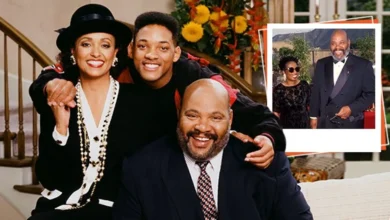
Introduction to Suzanne Chase
The name Suzanne Chase has generated curiosity among many people who are interested in personal histories, family connections, and public figures who have maintained a relatively private lifestyle. In a digital age where nearly every detail about celebrities and notable personalities becomes instantly available online, individuals like Suzanne Chase remain intriguing because there is still a sense of mystery surrounding them. That mystery often sparks interest and encourages people to search for more information about their background, relationships, achievements, and personal journey.
One of the reasons Suzanne Chase attracts attention is the possibility of her connection to well-known public circles. Many individuals become subjects of public interest not necessarily because they are celebrities themselves, but because they are connected to influential families, entertainment industries, or respected professional communities. Suzanne Chase fits into that category for many researchers and readers who are eager to understand the story behind the name.
At the same time, it is important to recognize that public curiosity does not always equal widespread media exposure. Some people choose to remain away from constant public attention while still maintaining meaningful personal and professional lives. Suzanne Chase appears to be someone whose identity sparks interest precisely because there is not an overwhelming amount of sensationalized information available. This creates an opportunity to focus on thoughtful discussion rather than gossip-driven narratives.
Understanding the broader context of Suzanne Chase involves looking at the social environment in which her name has appeared, the reasons audiences search for information about her, and the growing cultural fascination with private individuals connected to public conversations. In many ways, her story reflects a modern reality where privacy itself becomes noteworthy.
The Public Curiosity Surrounding Suzanne Chase
Public fascination with names like Suzanne Chase often develops gradually. Unlike major celebrities who are constantly featured in headlines, some individuals gain recognition through association, historical relevance, family ties, or professional contributions that slowly attract attention over time. This slower and more organic form of recognition tends to create deeper curiosity because people want to piece together details on their own.
In today’s internet culture, searches for personal biographies have increased dramatically. Readers are no longer satisfied with surface-level information. They want context, history, personality, and insight into how a person has influenced others. Suzanne Chase represents the kind of individual who inspires those searches because people feel there may be more beneath the surface than what is publicly visible.
Another factor contributing to public interest is the changing definition of influence. In previous decades, influence was largely tied to television appearances, magazine covers, or political visibility. Now, however, influence can emerge through family legacy, social presence, professional credibility, or even quiet cultural significance. Suzanne Chase’s name continuing to appear in searches suggests that audiences see her as relevant in some meaningful way.
The curiosity surrounding Suzanne Chase also reflects how modern audiences value authenticity. There is growing admiration for people who maintain dignity and privacy despite public attention. Readers are often drawn to personalities who appear grounded and genuine rather than overly manufactured by media publicity. This sense of authenticity can make an individual even more compelling.
At the center of this curiosity is a desire for connection. People naturally enjoy learning about human experiences, relationships, and life paths. Suzanne Chase’s story, whether widely documented or not, becomes interesting because it represents a real-life narrative that audiences feel motivated to explore and understand.
Suzanne Chase and the Importance of Privacy
One of the most interesting aspects of Suzanne Chase is the apparent balance between public recognition and personal privacy. In an era dominated by social media exposure and nonstop digital visibility, maintaining privacy has become increasingly difficult. Many individuals who become associated with public interest eventually embrace the spotlight, but others intentionally preserve personal boundaries.
Privacy can often be misunderstood as secrecy, but the two are very different. Choosing privacy may simply reflect a desire for normalcy, emotional balance, or personal protection. Suzanne Chase appears to represent this quieter approach to public life, where an individual may be known by name yet still remain largely outside the culture of constant exposure.
There is something admirable about individuals who avoid turning every aspect of their lives into public entertainment. Modern audiences are becoming more aware of the emotional and psychological effects of excessive visibility. As a result, people increasingly respect those who maintain healthy separation between public curiosity and personal identity.
This balance also highlights an important cultural shift. Society once celebrated fame for its own sake, but many people now value substance over visibility. Suzanne Chase’s appeal may partly come from the fact that she has not become over-commercialized or excessively publicized. Instead, her story retains a sense of sincerity and realism.
The conversation around privacy is especially important because it reminds readers that every individual deserves personal space regardless of public interest. Suzanne Chase’s example demonstrates that it is possible to attract attention while still maintaining dignity and control over one’s own narrative.
Family Connections and Social Interest
Many searches involving Suzanne Chase are influenced by interest in family relationships and social networks. Human beings naturally connect stories through relationships, and public curiosity often grows when someone is linked to notable personalities, respected communities, or influential backgrounds.
Family history plays a major role in how people are remembered. Whether through professional success, creative contributions, or social influence, family connections can shape public perception for generations. Suzanne Chase’s name may resonate with audiences because people associate her with a larger personal or cultural story that they want to better understand.
These kinds of associations are common in modern media culture. Readers frequently explore biographies not just to learn about one individual, but to understand how relationships shape identity. Suzanne Chase becomes part of that larger interest in interconnected human stories.
At the same time, family-related public attention can create unique challenges. Individuals connected to recognizable names are often expected to live under a certain level of scrutiny even when they did not actively seek public visibility themselves. Maintaining individuality while being connected to broader social interest requires grace, patience, and emotional resilience.
This is why discussions about Suzanne Chase often feel more thoughtful than sensational. Rather than focusing entirely on controversy or gossip, people tend to approach the topic with genuine curiosity about her personal experiences, life choices, and overall role within her social or familial environment.
The broader appeal lies in the universal nature of relationships. Everyone understands the influence of family, personal history, and social connection. Suzanne Chase’s story becomes relatable because it reflects themes that are deeply human and widely understood.
The Modern Fascination With Personal Biographies
The rise of online biography searches has changed the way people consume information. Readers are no longer interested only in major world leaders or Hollywood superstars. Instead, there is growing interest in individuals whose lives reflect authenticity, emotional complexity, and relatable experiences. Suzanne Chase fits naturally into this trend.
Personal biographies provide more than simple facts. They offer perspective, context, and emotional understanding. Readers often search for names like Suzanne Chase because they hope to discover stories that feel real rather than overly polished. This desire for authenticity has become one of the defining characteristics of modern media culture.
Another reason biography content has become popular is that people enjoy understanding the human side of public interest. Audiences want to know how individuals handle challenges, relationships, privacy, and personal growth. Suzanne Chase represents the type of personality whose story encourages thoughtful exploration rather than superficial judgment.
Digital media has also made it easier for smaller stories to gain visibility. In the past, only globally famous individuals received detailed biographical attention. Now, however, audiences actively seek out information about people connected to cultural discussions, family histories, or niche public interest topics. This shift explains why names like Suzanne Chase continue to attract online attention.
The fascination with biographies is ultimately about connection. Readers see parts of themselves in the stories of others. They relate to themes like resilience, privacy, identity, and personal growth. Suzanne Chase becomes meaningful not only as an individual but also as a reflection of experiences many people understand in their own lives.
Suzanne Chase and the Influence of Digital Culture
Digital culture has transformed the way public interest develops. A single name can quickly become searchable across multiple platforms, leading to widespread curiosity even if traditional media coverage remains limited. Suzanne Chase exists within this modern environment where online interest can grow through discussions, searches, and social engagement rather than mainstream publicity alone.
The internet has blurred the line between public and private identity. Individuals who might once have remained completely outside public conversation can now become subjects of widespread curiosity simply because their names appear in searchable spaces. Suzanne Chase reflects this changing dynamic.
One important aspect of digital culture is the speed at which narratives form. Information spreads quickly, but context does not always keep pace. This is why thoughtful discussions about individuals like Suzanne Chase matter. Responsible writing helps ensure that curiosity remains respectful rather than invasive.
Digital culture has also increased appreciation for authenticity. Audiences have become more skeptical of overly manufactured celebrity personas. As a result, people often feel more drawn to individuals who appear grounded, sincere, and somewhat removed from constant self-promotion. Suzanne Chase benefits from this shift because her public image seems more natural and understated.
Another interesting element of online culture is the way communities collectively build interest around certain names or stories. Search trends, social discussions, and biography articles all contribute to broader visibility. Suzanne Chase’s continued relevance suggests that audiences find lasting interest in her story and identity.
Ultimately, digital culture has changed how recognition works. Visibility is no longer controlled solely by traditional media institutions. Instead, curiosity itself drives attention. Suzanne Chase represents how modern audiences actively participate in shaping public interest through online exploration and discussion.
The Human Element Behind Public Interest
At the heart of every biography is a human story. Regardless of public attention, media coverage, or online searches, individuals remain people with emotions, experiences, challenges, and personal journeys. Suzanne Chase should be understood within this human context rather than simply as a searchable name.
One reason people become invested in personal stories is because they reflect universal experiences. Themes like identity, relationships, privacy, ambition, and resilience resonate across cultures and generations. Suzanne Chase’s appeal likely comes from the sense that her story contains these relatable human dimensions.
The human element also encourages empathy. Instead of viewing public figures as distant or abstract, readers begin to understand them as individuals navigating life in complex circumstances. This perspective creates more meaningful conversations and discourages superficial judgment.
Stories centered on real people often inspire reflection. Readers may compare aspects of Suzanne Chase’s life to their own experiences, relationships, or personal goals. This emotional connection is one of the reasons biography writing remains so popular across generations.
Public interest becomes healthiest when it is balanced with respect. Curiosity should not erase humanity. Suzanne Chase’s example reminds audiences that every individual deserves thoughtful consideration regardless of how much information is publicly available.
In many ways, the continued fascination with Suzanne Chase reflects a broader cultural desire for stories that feel genuine, grounded, and emotionally relatable. Readers are not simply searching for facts—they are searching for understanding.
Conclusion
Suzanne Chase remains a name that continues to spark curiosity, discussion, and thoughtful interest among online audiences. While extensive public information may not always be available, the fascination surrounding her reflects larger cultural trends involving biography searches, digital curiosity, family connections, and respect for privacy.
Part of what makes Suzanne Chase so compelling is the balance b